


Introduction
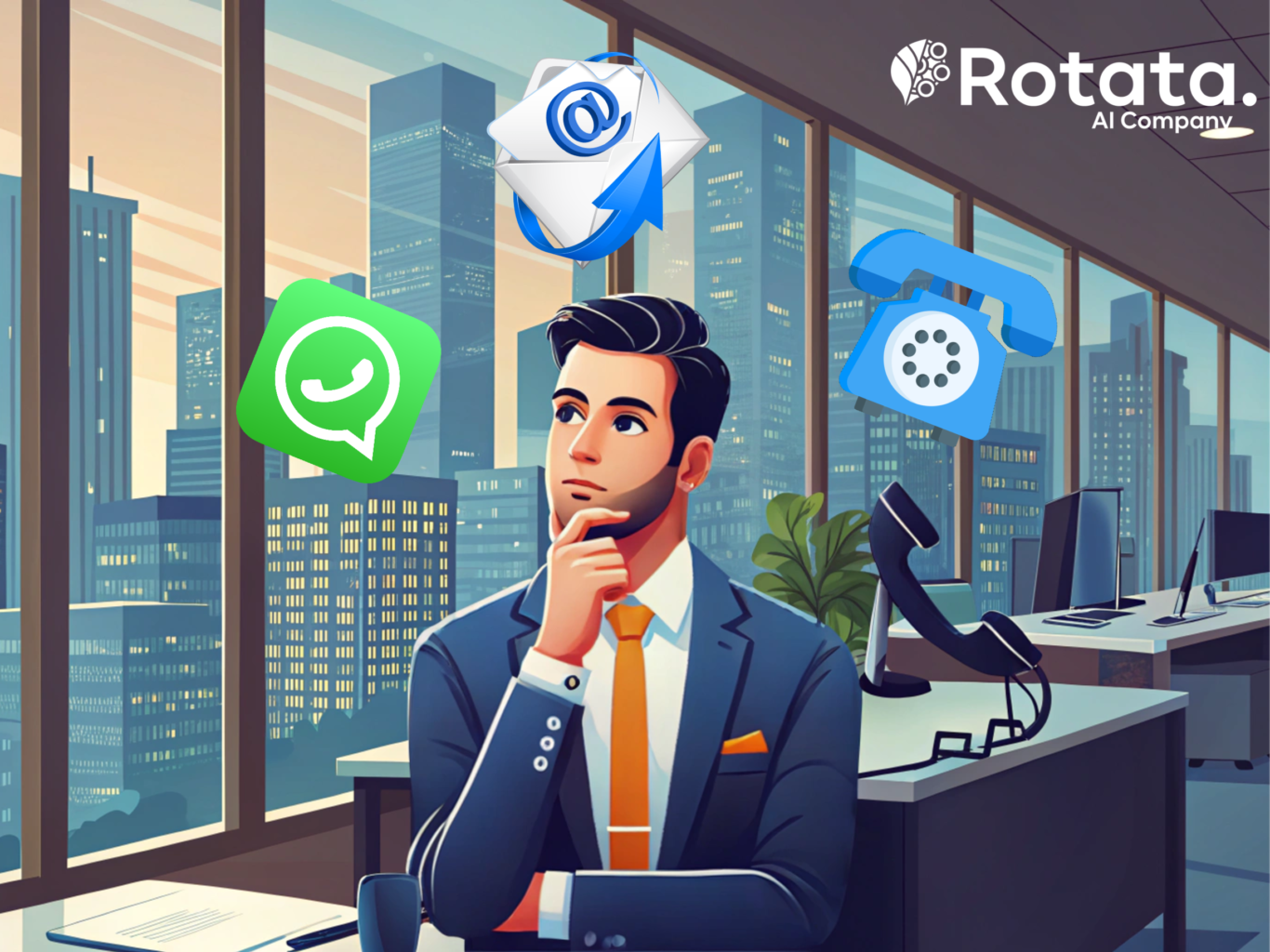
Direct marketing remains an essential tool for companies wishing to connect directly with potential and existing customers, choosing the right direct marketing channels is key. However, technological evolution and changes in consumer habits have given rise to a range of options: from emails to messaging platforms such as WhatsApp or traditional methods such as phone calls.
In the B2B context, the main objective of these techniques is often to close qualified meetings with potential customers, making each channel a crucial means to advance the sales process. This article analyses the efficiency of each channel and how they have evolved in recent years.
Emails: The Reinvented Classic
Efficiency:
Emails have been one of the most widely used tools in direct marketing due to their low cost and wide accessibility. With open rates ranging from 15% to 25% depending on the sector, emails are especially effective for informational content campaigns, promotions and newsletters.
Advantages:
- Automation and customisation: Tools such as Mailchimp or HubSpot allow you to send highly personalised messages.
- Detailed measurement: Metrics such as open rates, clicks and conversions are easy to monitor.
- Scalability: Ideal for reaching large audiences.
Challenges:
- Saturation: Users' inboxes are cluttered with messages, making it difficult to stand out.
- Spam filters: Email providers' algorithms may block messages.
Recent Developments:
With the addition of artificial intelligence, emails can now be more predictive, suggesting products or services based on user behaviour..
WhatsApp: The Power of Instant Messaging
Efficiency:
WhatsApp has emerged as a powerful channel, especially in markets where smartphone penetration is high. With open rates exceeding 90%, this channel is ideal for short messages, confirmations and personalised updates.
Advantages:
- High engagement: Messages on WhatsApp are usually read almost immediately.
- Two-way interaction: It allows for more fluid and direct communication with customers.
- Versatile formats: Supports text, images, videos and documents.
Challenges:
- Privacy restrictions: Regulations such as GDPR limit the use of this channel.
- Scalability: Mass campaigns can be challenging without business tools like the WhatsApp Business API.
Recent Developments:
WhatsApp's integration with CRM tools and chatbots has extended its capabilities, making it possible to automate responses and improve the customer experience.
Phone Calls: The Personal Approach
Efficiency:
Telephone calls remain an effective option for establishing a personal connection, particularly in B2B sales and high-value services. Although its conversion rate can be high in certain cases, the negative perception of telemarketing has also grown.
Advantages:
- Direct interaction: It allows you to resolve doubts and personalise the message in real time.
- Emotional connection: A human voice builds trust.
Challenges:
- High cost: Calls require more resources than other channels.
- Customer resistance: Many people find the calls intrusive and choose not to respond.
Recent Developments:
The use of automated dialling systems and "consultative sales" training have improved the efficiency of this channel. In addition, calls are now complemented by other channels, such as email, to prepare the customer prior to communication.
General Comparison
| Channel | Open/Response Rate | Cost | Ideal Use |
| Emails | 15%-25% | Under | Promotions, information content |
| +90% | Moderate | Updates, short messages, promotions | |
| Calls | Variable (10%-50%) | High | B2B sales, personalised follow-up |
Conclusion
When it comes to direct marketing channels, there is no perfect channel; the choice depends on the type of customer, the objective of the campaign and the resources available. Companies should consider an omni-channel strategy that combines the best of each option, adapting to user preferences and leveraging the strengths of each medium to maximise results.
